 Talk to sales
Generative AI in Beauty – Transformation in 2026
Product category
Author

In 2026, the beauty industry stands on the brink of an extraordinary transformation. What began as a gradual integration of artificial intelligence (AI) tools into marketing and product testing is now evolving into something far more dynamic – Generative AI is redefining how beauty brands create, communicate, and connect.
By combining creativity with computation, generative AI in the beauty industry is shifting the landscape from reactive personalization to predictive innovation. It’s enabling brands to not only understand their consumers better but also to anticipate their needs, design new formulations, and deliver experiences that feel personal, intuitive, and inspiring.
Industry research also highlights the economic impact of this shift. Analysis by McKinsey shows that generative AI could create up to $9–10 billion in additional value for the beauty sector, particularly by improving digital conversion rates and accelerating product development cycles.
Let’s explore how this transformation is unfolding, and why 2026 marks the turning point where beauty becomes truly intelligent.
Ways Generative AI is Transforming Beauty Experiences in 2026
AI is changing how we discover, experience, and connect with beauty. What once felt futuristic is quickly becoming part of our everyday routines – from virtual try-ons that feel almost real to skincare advice that actually understands you. In 2026, generative AI will take this even further, helping beauty brands create smarter, more personal, and more creative experiences for every user. Here’s how this transformation – powered by AI in the beauty industry – is taking shape.
1. Personalized Formulations: The Future of Custom Beauty
In 2026, one-size-fits-all beauty is officially outdated. Consumers now demand products tailored to their specific needs, skin types, and lifestyles. Generative AI allows brands to create personalized formulations in minutes by analyzing vast amounts of data, from climate and lifestyle factors to genetic and skin analysis reports.
Studies by McKinsey indicate that around 71% of consumers expect companies to deliver personalized interactions, and 76% feel frustrated when these experiences are missing. As a result, beauty brands are increasingly investing in AI-driven technologies that make digital shopping more relevant and tailored.
For B2B beauty companies, this means faster product development cycles and more targeted product lines for retail clients. Instead of spending months on R&D, brands can use AI-driven platforms to generate multiple formulations, test them virtually, and move to production with precision.
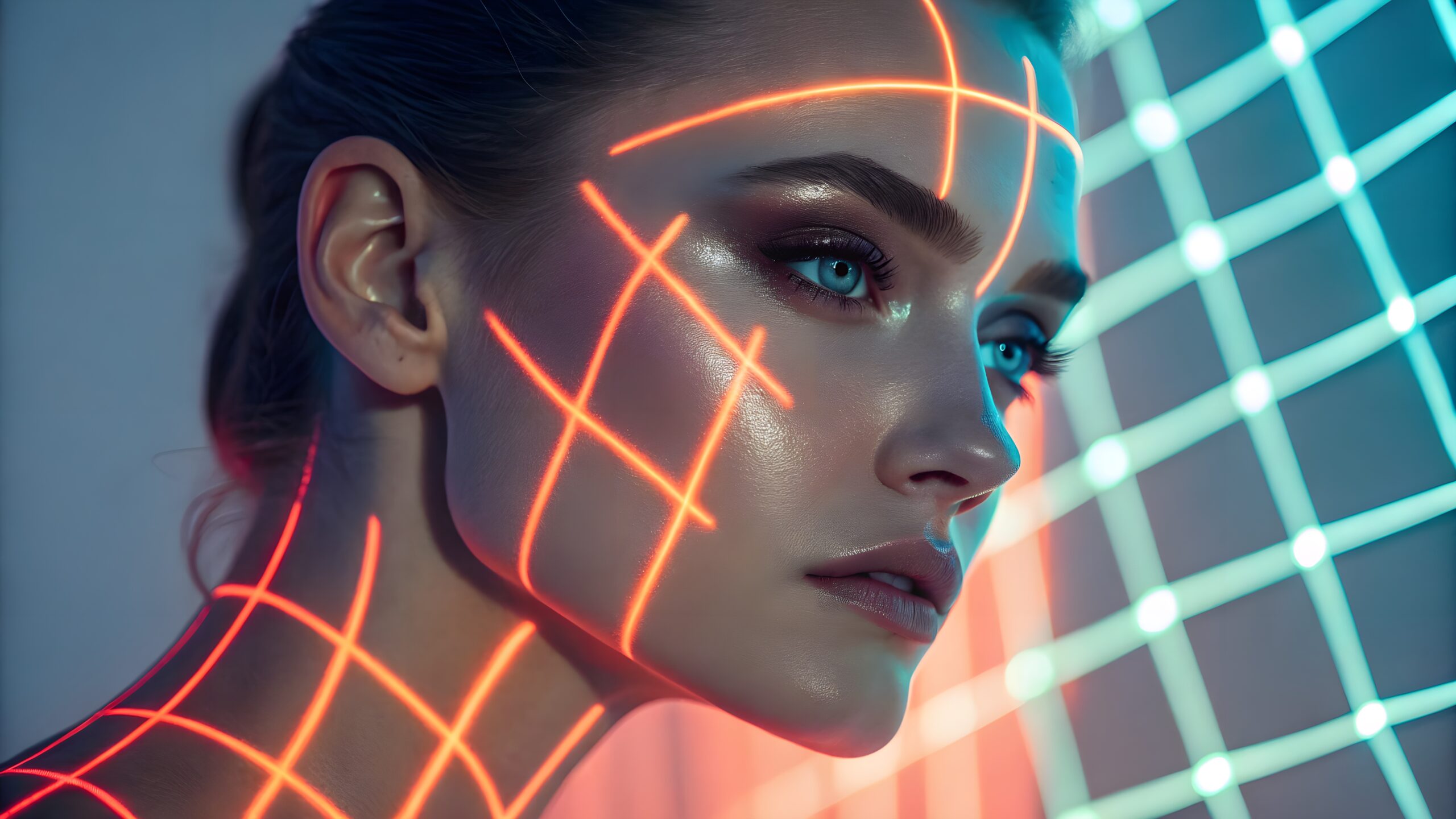
At Inference Beauty, we use AI face-scanning technology to provide skin and hair analysis for personalized beauty experiences. These insights enable brands to deliver accurate shade matching, targeted product recommendations, and data-driven digital journeys that connect analysis with meaningful customer engagement.
2. Virtual Try-On Becomes Immersive Beauty Exploration
Virtual try-on tools have already gained popularity across beauty eCommerce, allowing customers to see how a lipstick shade or foundation tone appears on their skin. But in 2026, this experience is expected to go beyond the simple “try-before-you-buy” function.
Generative AI will transform virtual try-on tools into truly intelligent experiences. Instead of static overlays, AI models will simulate real-world conditions – texture, light interaction, and long-term wear effects – showing how a product appears under sunlight, indoor lighting, or evening settings. Each try-on will go beyond displaying color to mirror how the product performs on real skin, creating a lifelike and confidence-building preview for every user.
Furthermore, with advancements in 3D face-mapping and generative rendering, customers will interact with ultra-realistic avatars that mirror their facial micro-movements. Beauty brands will use this data to recommend not just shades but entire looks – from makeup combinations to skincare routines – creating a seamless bridge between exploration and purchase.
3. Ingredient Transparency Becomes Generative
Transparency has evolved from being an ethical choice to a key factor in consumer decision-making. Today’s beauty shoppers want complete clarity – what’s inside their products, where ingredients come from, and how they actually work.
Generative AI is reshaping this space through ingredient intelligence – advanced systems that analyze, interpret, and even design new ingredient combinations. Instant ingredient breakdowns in natural language.
Note
Inference Beauty’s Ingredient Explainer tool decodes over 60,000 ingredients in clear, consumer-friendly terms – bridging the gap between science and simplicity. Paired with our data-driven formulation insights, brands can innovate faster, create safer and more effective products, and strengthen consumer trust through authenticity and clarity.
4. AI-Powered Chatbots Transform Beauty Conversations
Customer support in beauty is changing – it’s no longer just about answering questions, but about being there for customers every step of their journey. By 2026, AI-powered chatbots and virtual assistants will move beyond simple replies to offer real-time, warm, and intelligent conversations that feel genuinely personal.
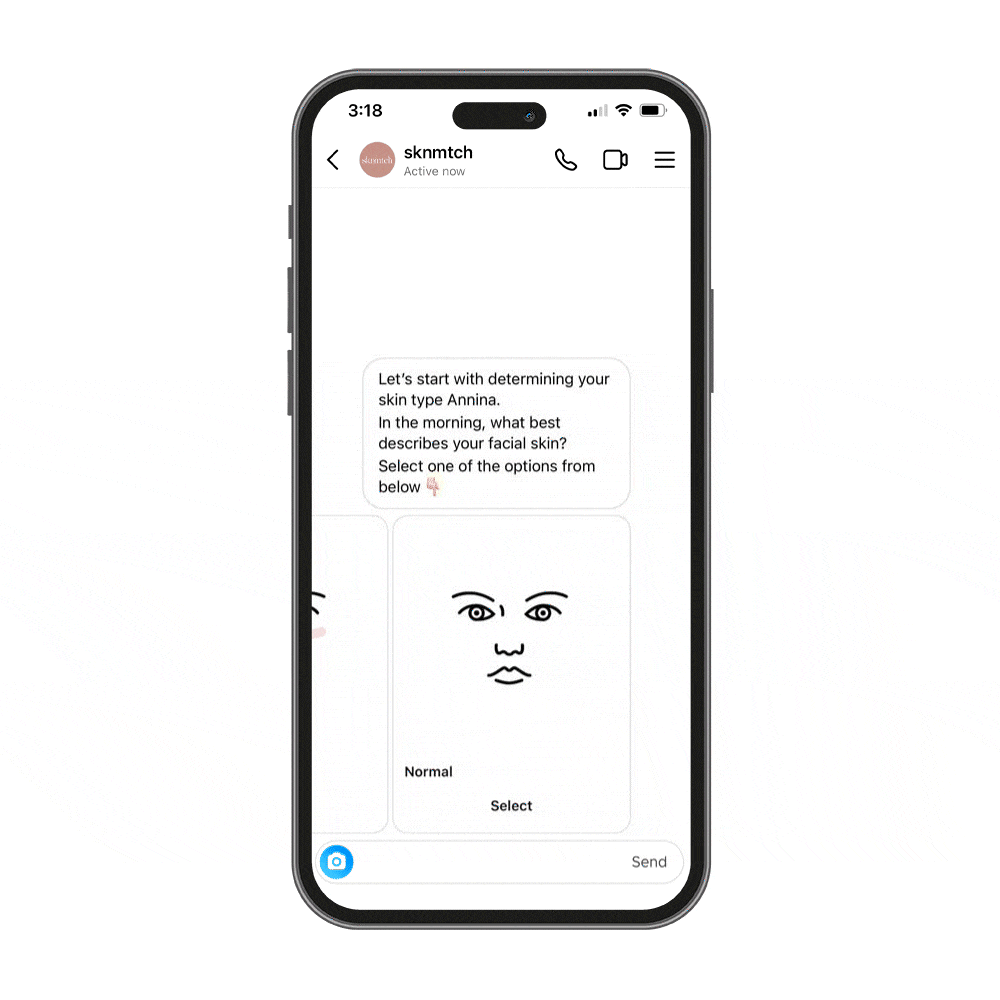
As more beauty interactions move to social platforms, brands are looking for ways to connect with customers where they already spend their time – on Instagram, Messenger, and Facebook. That’s where we help beauty brands bring this future to life through AI-powered social media chatbots that deliver personalized recommendations.
Also read Rise of Chatbot Technology in the Beauty Industry
5. Hyper-Personalized Commerce in Beauty Retail
Today’s beauty shoppers expect online shopping experiences that adapt to their individual needs. Generative AI is helping beauty brands move toward hyper-personalized commerce across both retail and direct-to-consumer (DTC) channels.
One area where this shift is becoming visible is on product detail pages (PDPs). With dynamic personalization, the same product page can emphasize different benefits, ingredients, or routines depending on the user viewing it. For example, a moisturizer page might highlight hydration benefits for one shopper while focusing on barrier repair or sensitive-skin ingredients for another.
These adaptive experiences help brands simplify product discovery while making beauty shopping feel more relevant and intuitive.
Inference Beauty’s hyper-personalization AI tool helps brands enrich profile and product data to deliver more relevant product recommendations across eCommerce platforms. By combining these insights, brands can personalize product detail pages, improve product discovery, and create shopping experiences that better match each customer’s beauty needs.
6. GenAI Imagery Across the Beauty Funnel
Generative AI imagery is rapidly transforming how beauty brands create and scale visual content across the entire customer journey. On social media, GenAI enables rapid concept testing, hyper-localized campaigns, and trend-reactive visuals without the constraints of traditional production timelines.
For product detail pages (PDPs), AI-generated imagery enhances storytelling with ingredient visualizations, texture simulations, and contextual lifestyle scenes tailored to specific skin concerns or demographics. Even product swatches are evolving, AI can generate accurate, inclusive shade representations across a wide spectrum of skin tones, helping brands improve both representation and conversion.
Keep Reading:
Growth Strategy Framework for Beauty Brands
Global Requirements for Online Ingredient Lists in Cosmetic Products
Want to stay in the know?
Follow us on LinkedIn where we post the latest updates on clients, news and solutions.

The year 2026 marks a new chapter in the beauty industry, one driven by Generative AI, data intelligence, and creativity. From product innovation to sustainability, AI is streamlining every aspect of the B2B beauty ecosystem.
For forward-thinking companies, this is not just a technological shift; it’s a growth opportunity. By embracing AI-driven innovation today, you’re not just keeping up with trends; you’re shaping the future of beauty.
At Inference Beauty, we’re proud to be at the forefront of this transformation, helping beauty brands and retailers leverage AI to create, connect, and inspire like never before.