 Talk to sales
Psychology Behind Cosmetic Buying Decisions

Product category
Author

Every day, millions of consumers purchase beauty products. These decisions may seem simple, choosing a trusted serum, a familiar shade, or buying a fragrance they like. However, behind every purchase there are important psychological factors at work, such as identity, emotion, trust, aspiration, and the desire to belong.
For beauty brands and retailers, understanding these factors is essential for business growth. When you understand why customers make buying decisions, you can design better customer experiences that address both emotional and practical needs. By combining these insights with the right strategies and technology, businesses can increase conversions, improve customer retention, and build long-term loyalty.
In this blog, we will explore the key psychological principles that influence cosmetic buying decisions.
Consumer Psychology Behind Cosmetic Product Purchases
Cosmetic buying decisions are influenced by several psychological factors that shape how consumers choose products. These include the desire to feel confident, the need for personalized solutions, the importance of trust & safety, the influence of social trends, sustainability values, packaging appeal, and price perception.
1. Confidence Boost
A major reason consumers purchase cosmetic products is to improve their confidence in their appearance. When people feel that their skin looks healthier, their hair looks well maintained, or their makeup enhances their features, they often feel more comfortable in social and professional environments.
Confidence plays an important role in how consumers evaluate beauty products. Many people view cosmetics as tools that help them present themselves in a way that aligns with how they want to be perceived. This may include feeling more prepared for social interactions, work environments, or important occasions.
Because of this, consumers often look for products that they believe will help them feel more confident in their everyday lives.
2. Desire for Personalization
Consumers increasingly prefer beauty products that are suited to their individual needs and preferences. Because every person has different concerns, expectations, and experiences with cosmetic products, many shoppers look for guidance that feels relevant to them rather than general recommendations.
Personalization helps consumers feel more confident in their purchase decisions. When product suggestions are aligned with a consumer’s specific requirements, it reduces uncertainty and makes the selection process easier. This can be especially important in the beauty industry, where choosing the wrong product may lead to dissatisfaction or product returns.
As a result, consumers often engage more with brands that provide personalized recommendations, tailored product suggestions, or tools that help them identify suitable options.
Inference Beauty’s AI-powered Skincare Finder helps beauty brands offer exactly this kind of personalized experience. By asking shoppers a short set of questions about their skin type, concerns, and lifestyle, our tool instantly recommends the most suitable products from the brand’s range.
A great example is VERSO Skincare, a Swedish Vitamin A skincare brand that partnered with Inference Beauty to tackle the exact challenge. Using our AI-powered Skincare Finder, VERSO was able to guide shoppers to the right routine for their specific skin needs, achieving an 87% completion rate and a 37% click-rate on product recommendations. A smoother purchase journey, and a better outcome for both the brand and the shopper.

Lars Fredriksson
CEO / Founder
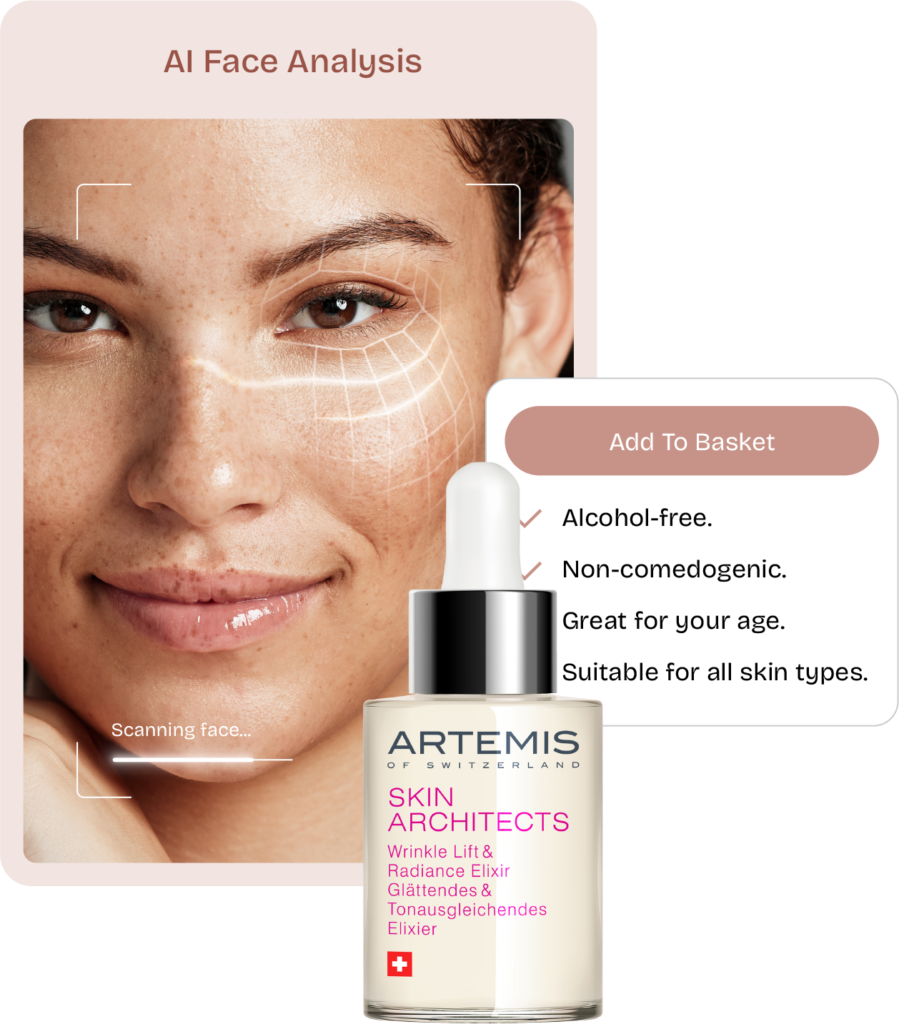
We’re seeing a clear shift in beauty discovery—from brand-driven browsing to ingredient- and concern-led search, fueled by platforms like TikTok Shop and the rise of AI-powered channels. AI-Face Scanning Solutions from Inference Beauty are essential to translate skin analysis, education, and trust into a seamless, data-driven shopping journey. The retailers and brands that embrace this shift early will shape the future of beauty commerce.

3. Self-Care and Personal Well-Being
Cosmetic products are increasingly viewed as part of daily self-care routines. Many consumers use skincare, haircare, and body care products not only for aesthetic reasons but also as part of maintaining personal well-being.
For example, skincare routines often include cleansing, moisturizing, and applying treatments to maintain skin health. Haircare may involve products that support scalp care, hair strength, or damage repair. These routines can become regular habits that consumers follow daily or weekly.
Because of this behavior, consumers often look for products that fit into a consistent routine rather than one-time purchases. Brands that provide clear guidance on how products fit into daily or weekly routines can help consumers make more informed purchasing decisions.
4. Trust and Safety
Trust is an important factor in cosmetic purchasing decisions because these products are applied directly to the skin, hair, or body. Consumers often evaluate products carefully to ensure they are safe and suitable for their needs.
Factors that influence trust include ingredient transparency, dermatological testing, safety certifications, and clear product labeling. Consumers may also look for information about whether products are suitable for specific skin types or concerns.
In addition, people with allergies, sensitivities, or specific skin conditions often check ingredient lists before making a purchase. If a product contains ingredients that may cause irritation or allergic reactions, consumers are less likely to choose it.
Inference Beauty offers an Ingredient Explainer tool that helps brands support transparency by making ingredient information easier for shoppers to understand. It displays complete ingredient lists on product pages and provides clear explanations of each ingredient’s source, purpose, and function.
This allows consumers to review ingredient details directly while browsing products, helping them make more informed and confident purchasing decisions without needing to search for information elsewhere.
Learn How to Build Engaging Loyalty for Your Beauty Brand?
5. Social Influence and Trends
Consumers often find beauty products through digital platforms, peer recommendations, and online communities, which can strongly shape their purchase choices.
Several sources contribute to this influence:
- Influencers and Content Creators: Product demonstrations, tutorials, and beauty content shared by influencers often shape consumer interest in products.
- Online Reviews and Ratings: Customer feedback and ratings help buyers evaluate product performance before purchasing.
- Friends and Family Recommendations: Personal recommendations remain one of the most trusted sources of product discovery.
- Beauty Trends on Digital Platforms: Viral beauty trends, popular ingredients, and makeup styles can quickly influence consumer demand.
Check Out: Power of Reviews and Testimonials in Building Trust for E-commerce Stores

6. Expressing Personality Through Beauty Choices
Consumers often choose cosmetic products based on how they want to express their personal identity. Beauty products allow individuals to present themselves in a way that reflects their preferences, lifestyle, and personal style.
Because appearance is closely connected to self-image, consumers may select products that align with how they want to be perceived in different situations. These choices can be influenced by factors such as personal taste, social environments, or changing preferences over time.
As a result, purchasing decisions are not always based only on product functionality. Consumers also consider whether a product helps them represent their individuality or supports the image they want to project.
Struggling With Product Discovery? Why Beauty E-Commerce Needs Granular Data
7. Sustainability and Ethical Considerations
Sustainability is becoming an increasingly important factor in cosmetic buying decisions. Many consumers now consider whether products align with their environmental and ethical values before making a purchase.
Shoppers may evaluate brands based on aspects such as clean formulations, responsible ingredient sourcing, cruelty-free practices, and environmentally conscious packaging. When brands communicate these practices clearly, it can strengthen consumer trust and influence purchasing behavior.
Pro Tip
Inference Beauty’s Clean Beauty Icons feature helps brands communicate these values clearly and consistently across their product pages. Each product can display easy-to-understand icons indicating attributes such as vegan, cruelty-free, fragrance-free, or free from specific ingredients.
8. Urgency and Limited Availability
Limited availability can influence consumers to make quicker purchasing decisions. When shoppers believe that a product may soon be unavailable, they may feel a stronger motivation to buy it immediately rather than delay the decision.
This sense of urgency is often created through strategies such as:
- Limited edition product launches
- Seasonal or event-based collections
- Low stock notifications
- Time-limited promotions
These signals can reduce hesitation and encourage faster decision-making during the purchase process.
9. Packaging and Visual Appeal
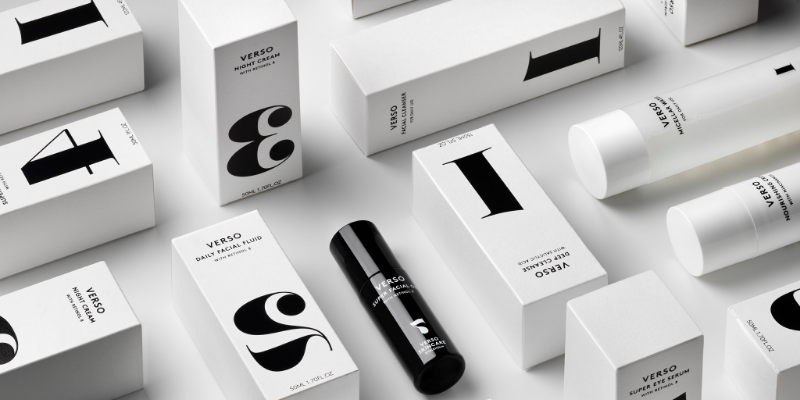
The design, colors, materials, and overall presentation can influence how consumers perceive product quality and brand positioning. Products packaged with premium materials, refined color palettes, or distinctive designs are sometimes associated with higher value or luxury.
Because cosmetics are highly visual products, packaging can play an important role in attracting attention and encouraging consumers to explore a product further.
10. Price Perception and Quality Assumptions
Price often influences how consumers evaluate cosmetic products. Many shoppers use price as a quick indicator when comparing multiple options, especially when they are unfamiliar with a brand.
Consumers commonly interpret pricing in different ways:
- Higher-priced products may be perceived as more premium or advanced.
- Moderately priced products may appear balanced in terms of value and quality.
- Lower-priced products may attract budget-conscious buyers but can also raise questions about effectiveness.
Understanding the psychology behind cosmetic buying decisions helps beauty brands design experiences that truly resonate with consumers. When brands combine these psychological insights with clear information, personalized guidance, and transparent product communication, they can reduce uncertainty and make the purchase journey easier for customers. Ultimately, businesses that align their strategies with real consumer behavior are better positioned to increase conversions, strengthen customer relationships, and build long-term brand loyalty.
Want to stay in the know?
Follow us on LinkedIn where we post the latest updates on clients, news and solutions.

Skin Match Technology
See AI-powered skin matching in action — built on real dermatologist expertise and 60,000+ decoded ingredients