 Talk to sales
How Easily Can a Beauty Retailer Add AI Personalization Tools to Its E-Commerce Website?

Product category
Author

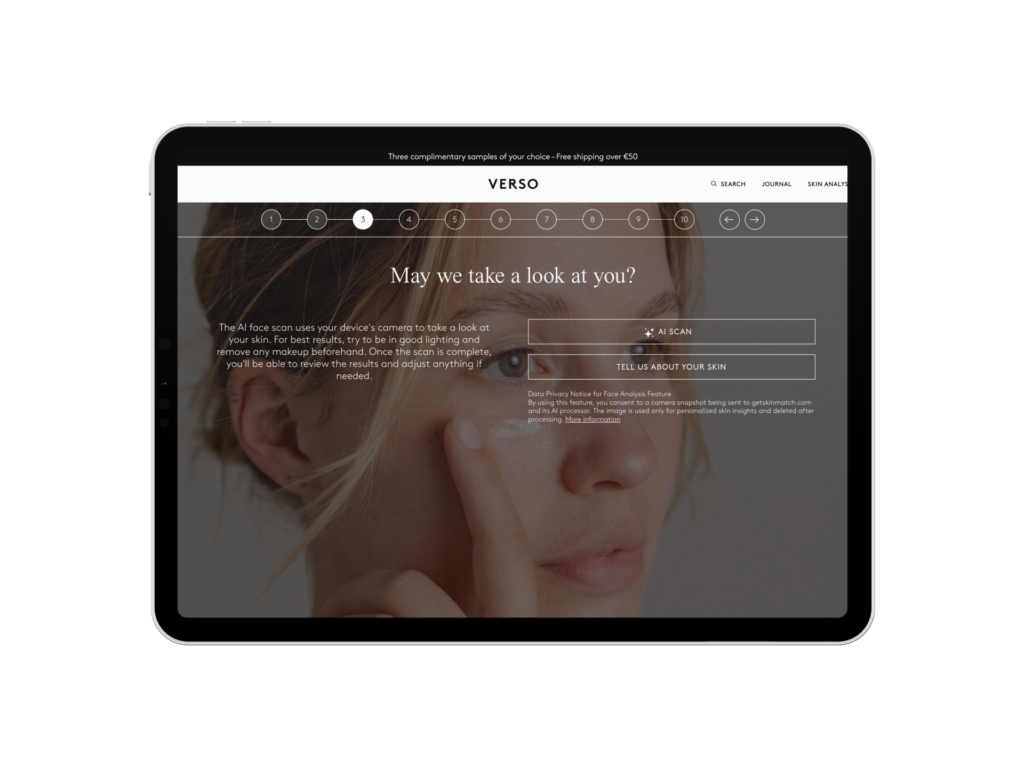
Beauty shoppers often need more than product descriptions to make a purchase. They may want to find a moisturizer for their skin type, compare foundation shades across brands, or identify hair care products that address specific concerns. Without personalized guidance, navigating a large beauty catalog can become time-consuming and confusing.
AI personalization helps retailers address these challenges by recommending products based on shoppers’ needs and preferences. But how easily can these personalization tools be added to an existing e-commerce website?
There are some easy steps to integrate an AI personalization tool into an existing e-commerce website. Let’s look at the integration process and what beauty retailers need to get started.
5 Steps to Add AI Personalization to a Beauty E-Commerce Website
1. Identify Where Personalization Will Help Shoppers
Before selecting an AI personalization tool, identify the points in the shopping journey where customers need more guidance.
Beauty e-commerce has several distinct personalization opportunities:
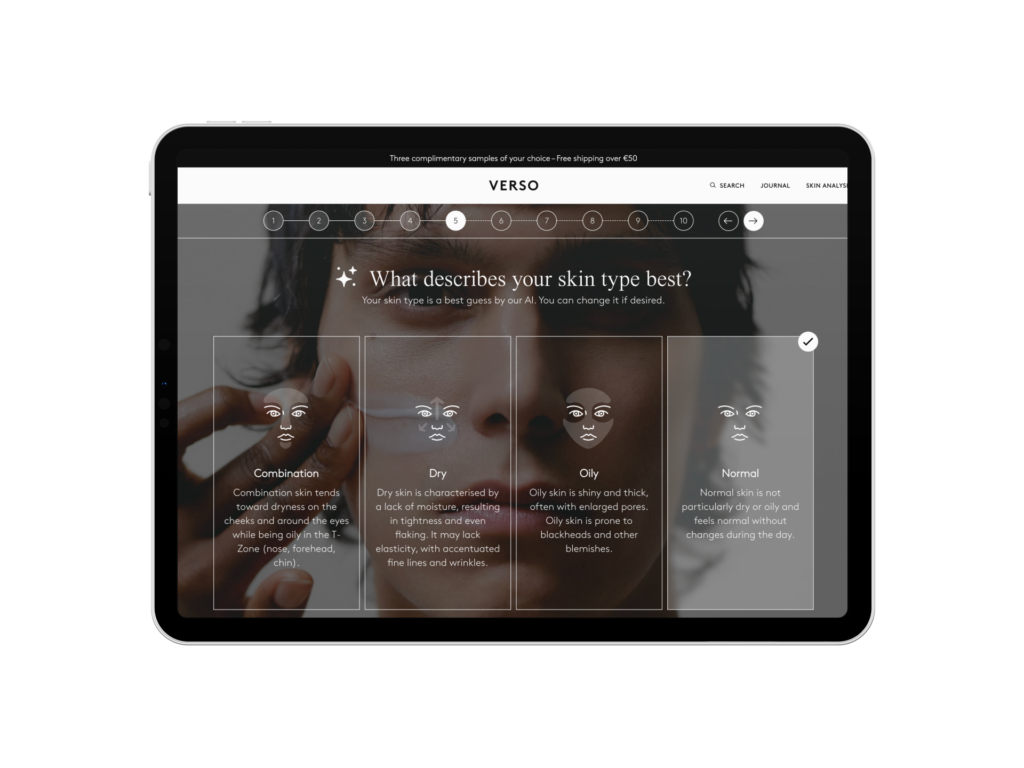
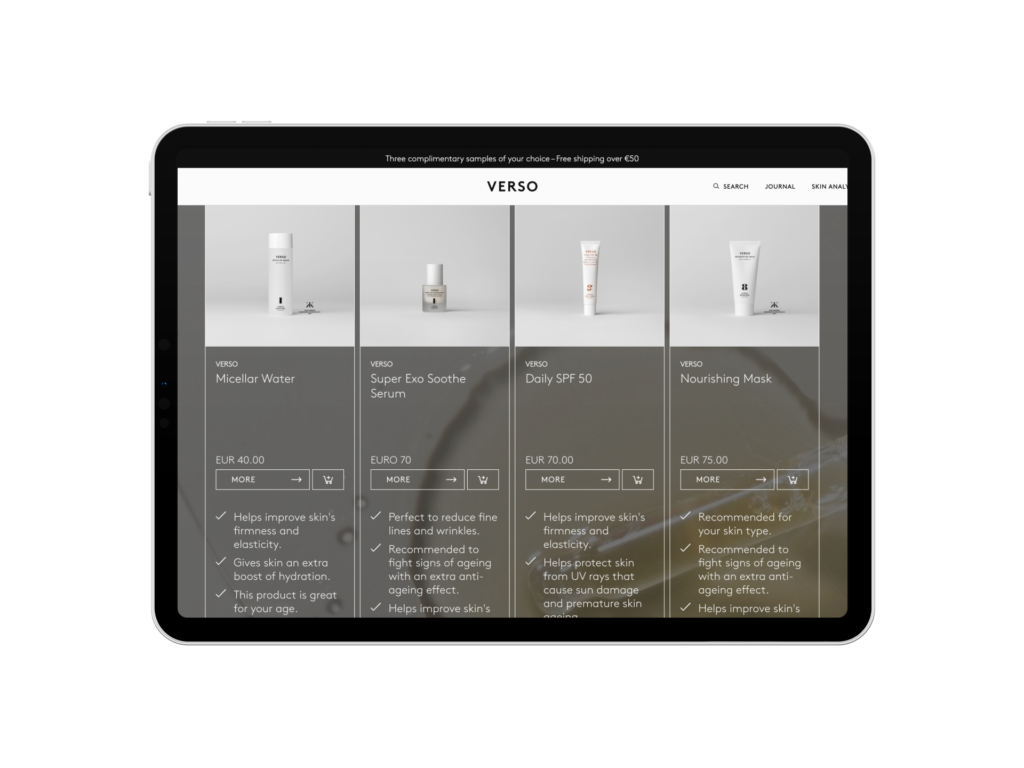
- Skincare: Recommend products based on skin type, concerns, preferences, and existing routines.
- Foundation and makeup: Help shoppers identify suitable shades and compare matches across products or brands.
- Hair care: Suggest products based on hair type, scalp concerns, and individual care needs.
- Fragrance: Guide customers toward scents based on their preferred notes and fragrance families.
The best starting point depends on the retailer’s catalog and customer journey. A multi-brand retailer with thousands of skincare products may benefit most from a product finder, while a makeup retailer may prioritize shade matching.
Start with the product categories where your business already generates the highest revenue and margins. Once you’ve strengthened personalization in these areas, expand to other categories where customers may need more guidance.
Starting with one clearly defined use case makes it easier to establish requirements, evaluate integration options, and measure results before expanding to other areas.
2. Choose an AI Personalization Solution That Fits Your Website
Once the primary use case is clear, evaluate solutions based on their compatibility with your existing e-commerce setup.
Important considerations include:
- Integration method: Does the tool support a simple JavaScript integration, an API, or your current e-commerce platform?
- Product catalog compatibility: Can it work with your existing inventory, product identifiers, and product attributes?
- Customization: Can you adapt the interface, questions, recommendations, and results to your brand?
- Data handling: How does the solution collect, process, and store customer information?
- Measurement: Can you track quiz completion, product clicks, add-to-cart activity, and conversions?
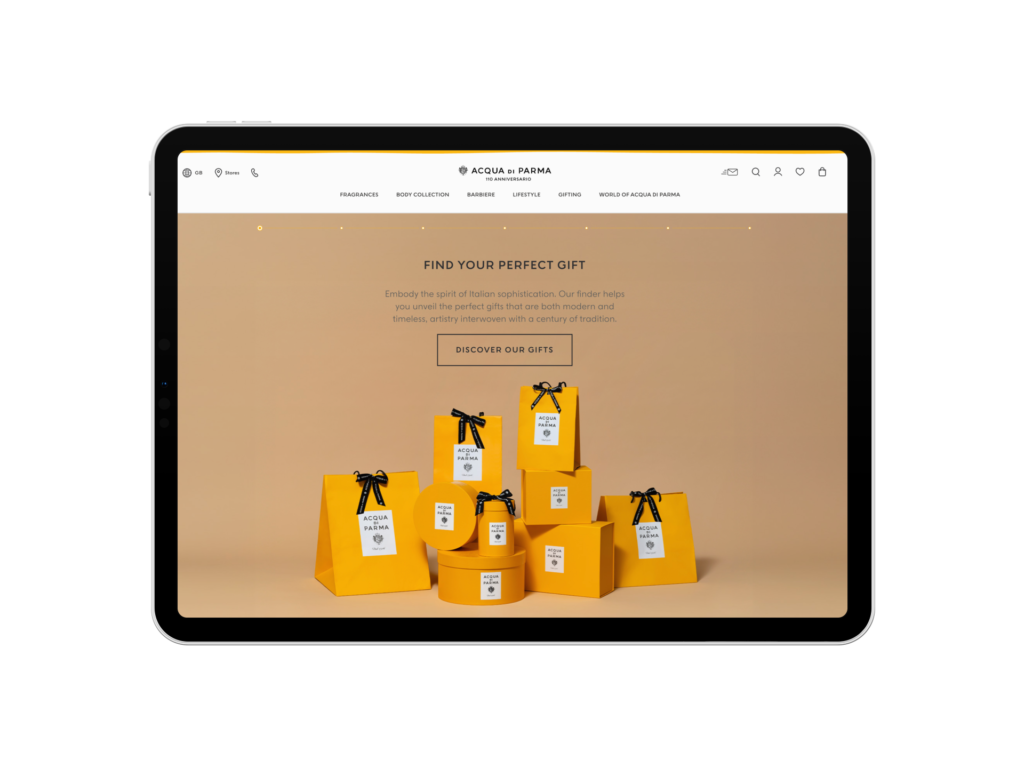
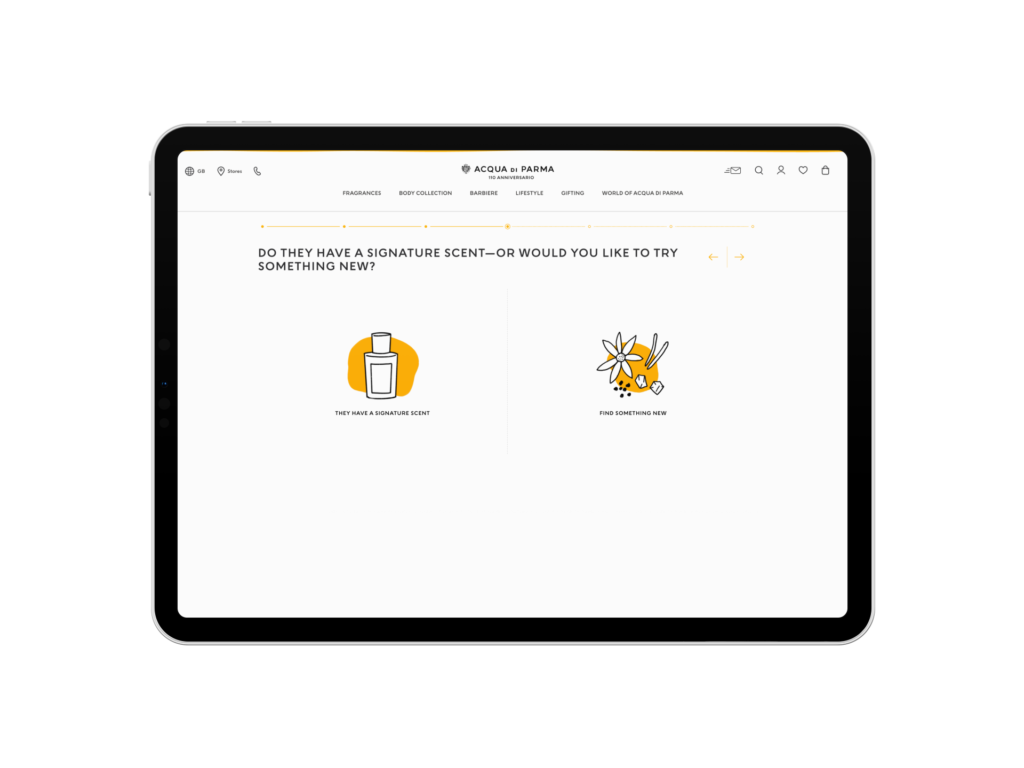
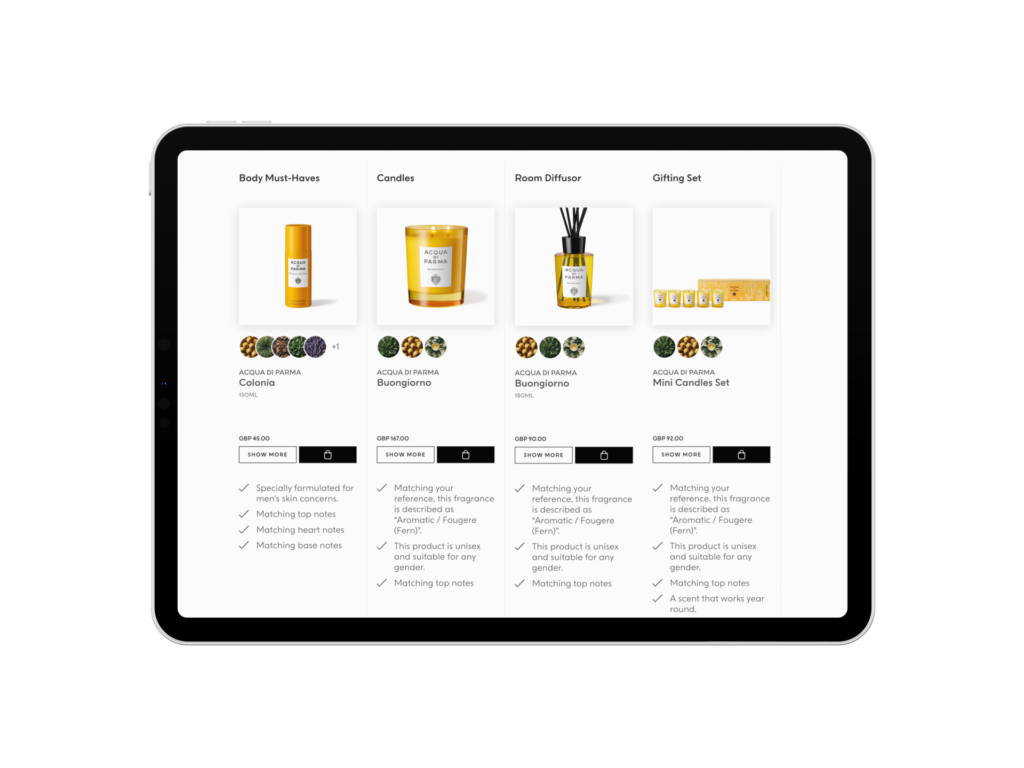
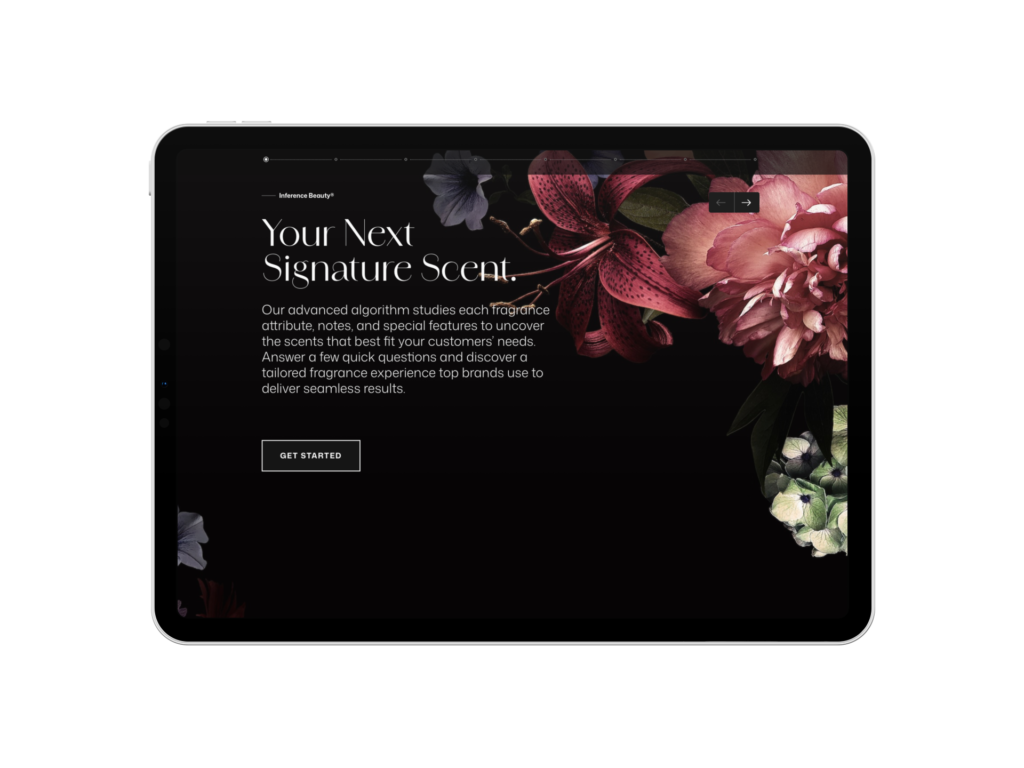
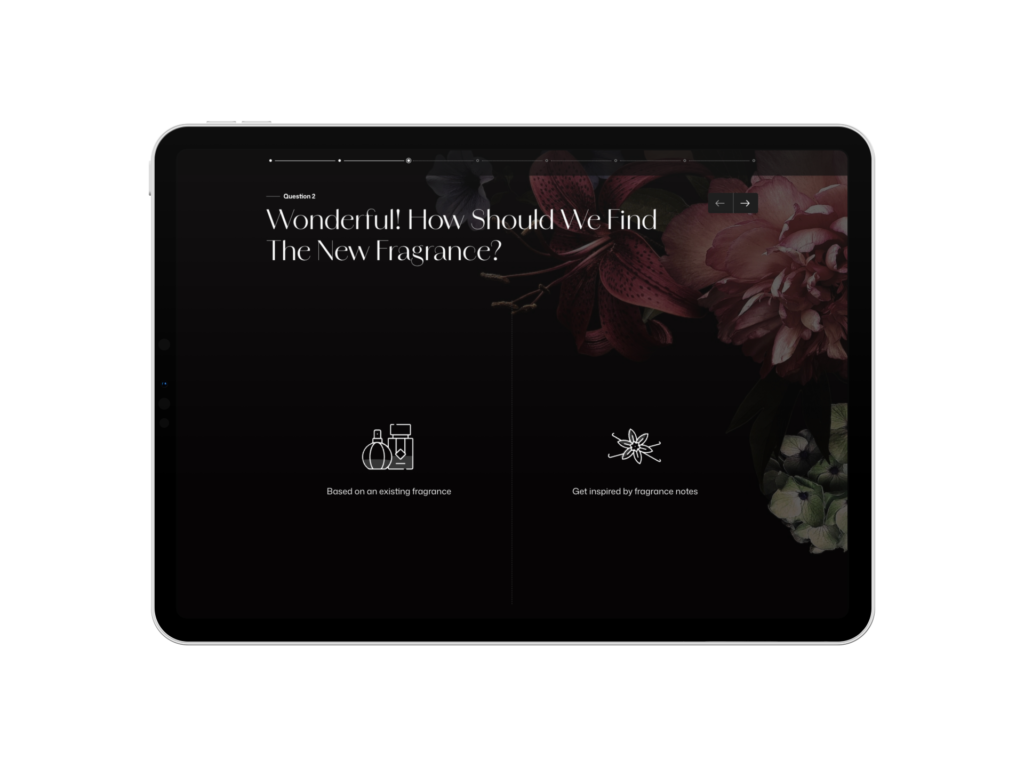
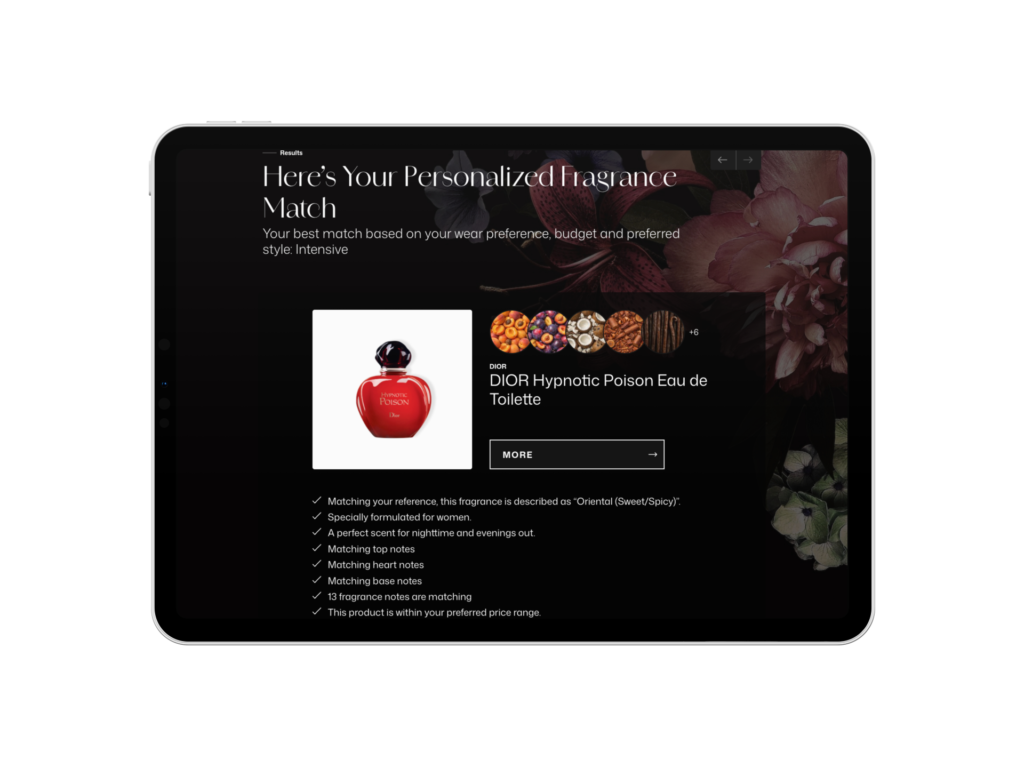
Tip: Inference Beauty’s AI personalization tool is easy to integrate into any e-commerce website. Simply copy the provided integration code and paste it into a container on the page where you want the tool to appear. The tool automatically adapts to the available width and screen size, and subsequent changes can be applied in real time.
3. Connect Your Product Catalog and Relevant Customer Data
AI personalization depends on the information available to it. The technology needs to understand both the products being sold and the factors that make those products relevant to individual shoppers.
Product data
For a beauty retailer, useful product information may include:
- 1) Product names, descriptions, and identifiers such as EAN, UPC, or GTIN
- 2) Product category and intended use
- 3) Ingredients and relevant product attributes
- 4) Skin tone, shade, or fragrance information, where applicable
- 5) Product URLs, images, prices, and stock availability
Product identifiers are particularly important for multi-brand retailers because they help match catalog items accurately. Consistent product attributes also make it easier to compare alternatives and generate relevant recommendations.
Customer data
Depending on the personalization use case, relevant information may include:
- 1) Skin type, hair type, or beauty concerns
- 2) Product preferences and stated sensitivities
- 3) Previous purchases and browsing interactions
- 4) Saved preferences or customer profile information
Retailers do not need to collect every possible data point before getting started. They should collect only the information necessary for the intended experience, with appropriate consent and privacy controls.
This also means deciding whether the goal is to provide immediate product recommendations with minimal friction or to build longer-term customer relationships through registration and email follow-ups.
A frictionless experience that provides recommendations without requiring registration can help maximize immediate conversions. In contrast, asking customers to provide their email addresses before receiving recommendations may lead some shoppers to leave before completing the experience, potentially reducing conversions.
However, it also gives retailers the opportunity to follow up with personalized recommendations, skincare routines, and relevant product updates, potentially increasing the long-term value of each customer. The right approach depends on the retailer’s business objectives and whether it prioritizes immediate conversions or ongoing customer engagement.
How Inference Beauty Helps Retailers Make Better Use of Data
Inference Beauty helps beauty retailers enrich their product catalogs and use customer preferences to deliver more relevant recommendations.
Our AI beauty database covers 110 product categories and includes information on more than 60,000 ingredients, 1,000+ olfactory notes, and 112 skin tones. This additional product information helps match products to shoppers’ needs.
This database allows Inference Beauty to provide personalization on the PDP, product recommendations on the PDP, or after a short analysis. Whatever the retailer envisions, most likely we can build it for them. The best thing is, the retailer does not need to have any detailed product data, as we already have it. The only thing the retailer delivers is the client’s needs.
4. Integrate the Tool Into the Shopping Experience
After the product data and requirements are established, the next step is to place the personalization tool where shoppers can use it.
The technical approach depends on the solution.
Option A: JavaScript integration
A provider supplies a code snippet that the retailer adds to the relevant page or website template. Depending on the implementation, this can display a ready-made quiz, product finder, recommendation section, or other personalization feature.
This approach is useful when the retailer wants to introduce a tool without building its entire interface from scratch.
Option B: API integration
An API allows the retailer’s development team to connect personalization functionality to its own website interface. The website can request recommendations or other relevant data and display the results within a custom-designed experience.
This approach offers more control over the user experience but may require additional development and testing.
Option C: Plugin or Extension Integration
Some AI personalization providers offer plugins or extensions for specific e-commerce platforms. Retailers can install a compatible plugin to connect the tool to their website, configure the available settings, and display personalization features with minimal custom development.
This approach can simplify integration for retailers using supported platforms, although the setup requirements and available features depend on the provider and the plugin.
5. Test the Experience and Measure Performance
Launching the AI personalization tool is only part of the process. Retailers also need to confirm that it works correctly and helps shoppers make better purchasing decisions.
Before going live, retailers should test recommendation accuracy, product links, mobile usability, website performance, and analytics tracking in a staging or test environment where possible.
After launch, they can measure quiz completion rates, recommendation clicks, add-to-cart activity, and conversions using real customer interactions. Comparing these metrics against a baseline or running controlled experiments can help determine whether personalization improves performance.
More Helpful Blogs:
Why AI Doesn’t Recommend Your Beauty Products and How GEO Can Fix It
Why Gen Z Relies on AI Tools When Shopping Beauty Products?
Business Impact of Offering AI Skincare Routines
How Inference Beauty Helps Retailers Add AI Personalization Tools
Inference Beauty offers two integration options to help beauty retailers add personalization features to their existing e-commerce websites. Before integration, retailers share their product inventory through a product feed so the data can be aligned.
- JavaScript snippet (plug-and-play): This option offers a quick setup with pre-built interface components, minimizing development effort. Retailers can use it to add features such as beauty quizzes and product match displays without building the front end from scratch.
- JSON endpoint (custom API): Retailers that need more control over the shopping experience can use a custom JSON endpoint. This provides structured product data that their development teams can integrate into existing website functionality and display through a custom-designed interface.
Our team also provides guidance and support throughout the integration process, helping your team implement the chosen solution smoothly and efficiently.
Book a demo to explore the right AI personalization solution for your e-commerce website.